Comprehensive Guide to Dental Inlays: Restoring Your Smile with Precision and Quality
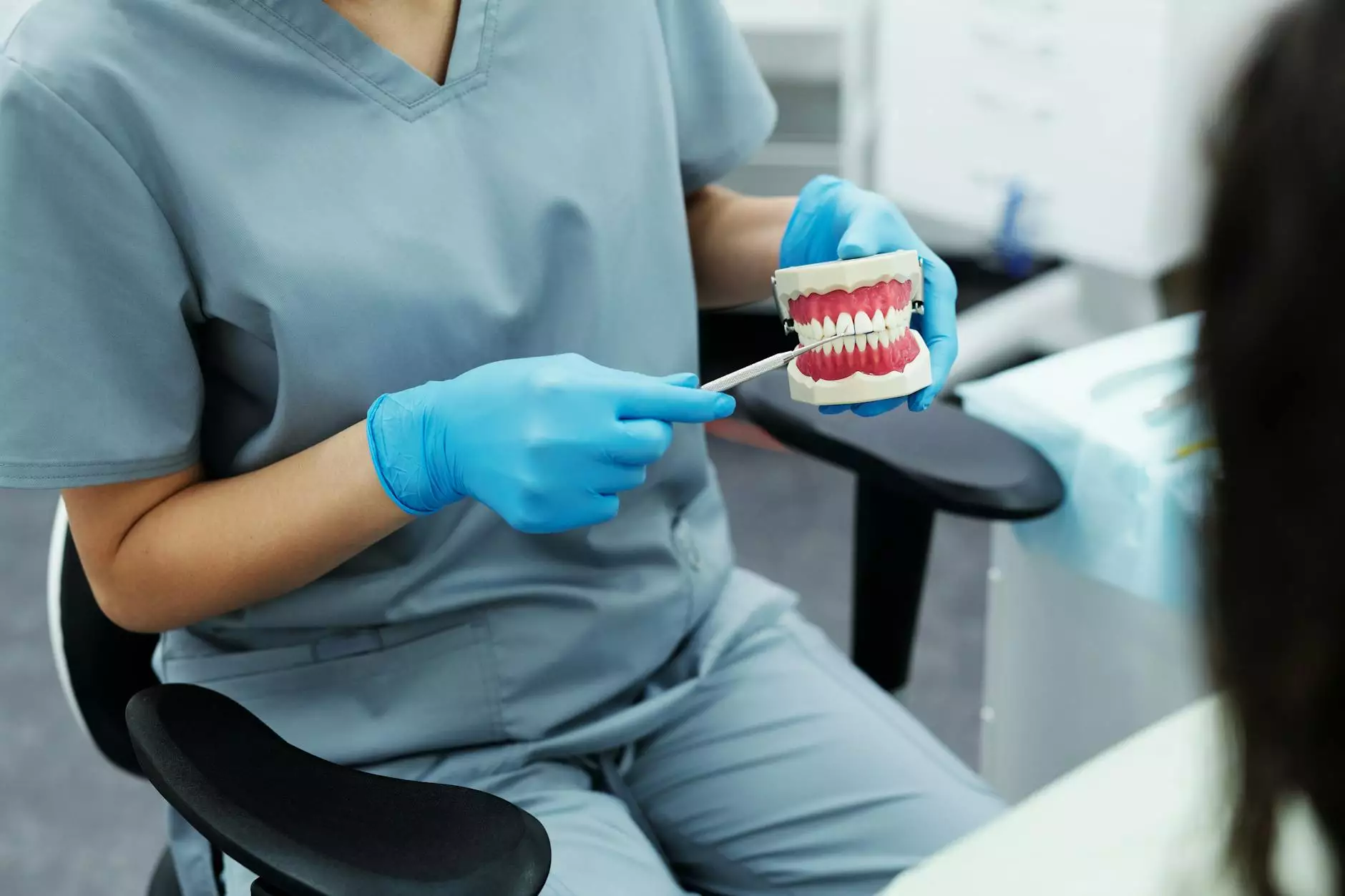
Maintaining optimal dental health is essential for a confident smile and overall well-being. When it comes to restoring damaged or decayed teeth, dental inlays have emerged as a highly effective, durable, and aesthetically pleasing solution. Whether you are exploring options for a damaged molar or seeking a minimally invasive restorative procedure, understanding the ins and outs of dental inlays can empower you to make informed decisions about your dental care.
Understanding Dental Inlays: What Are They?
Dental inlays are custom-made restorations designed to fit precisely into the grooves of a tooth. Unlike traditional fillings that are often used to fill smaller cavities, dental inlays are used for larger restorations where a greater amount of the tooth structure needs reinforcement. They are typically crafted from high-quality materials such as porcelain, composite resin, or gold, ensuring longevity, strength, and a natural appearance.
The primary purpose of dental inlays is to restore teeth that have suffered from:
- Extensive decay
- Cracks or fractures
- Post-caries damage
- Wear due to grinding or erosion
Benefits of Choosing Dental Inlays
When compared to traditional dental restorations, dental inlays offer several key advantages that make them a preferred choice for many dental patients. Some of their notable benefits include:
- Exceptional Durability and Strength: Made from strong materials like porcelain or gold, dental inlays provide long-lasting restoration that withstands chewing forces.
- High Aesthetic Value: Porcelain inlays mimic the natural translucency and color of your teeth, ensuring a seamless and aesthetically pleasing result.
- Minimal Tooth Preparation: The procedure for placing an inlay is minimally invasive, preserving more of your natural tooth structure compared to crowns or extractions.
- Biocompatibility: Materials used in dental inlays are compatible with oral tissues, reducing the risk of allergic reactions or sensitivities.
- Preserves Tooth Integrity: Reinforces compromised teeth without the need for full-coverage crowns, maintaining greater tooth strength over time.
- Custom Fit for Comfort: Precisely fabricated to match the shape and size of your tooth, leading to increased comfort and function.
The Procedure: Step-by-Step
Undergoing dental inlays involves a meticulous and precise process that ensures optimal fit, function, and aesthetics. The typical steps include:
1. Initial Examination and Imaging
Your dentist conducts a thorough examination of the affected tooth, including X-ray imaging to assess the extent of decay or damage and to determine whether an inlay is appropriate.
2. Tooth Preparation
The dentist numbs the area and carefully removes decayed or damaged tissue. The tooth is then cleaned and shaped to accommodate the dental inlay.
3. Impressions and Fabrication
A precise impression of your prepared tooth is taken using digital scanning or traditional molds. This impression is sent to a dental laboratory where the custom dental inlay is meticulously crafted to match your tooth’s anatomy.
4. Temporary Restoration
To protect the prepared tooth, a temporary filling or restoration is placed while the final dental inlay is being fabricated.
5. Placement and Bonding
Once ready, the dentist checks the fit, bite, and aesthetics of the dental inlay. If everything is satisfactory, it is permanently bonded to the tooth using dental adhesive and curing light technology for a secure, durable fit.
Materials Used in Dental Inlays: Which Is Right for You?
Dental inlays are available in various materials, each with unique properties suited for specific needs:
- Porcelain: Offers excellent aesthetic blending with natural teeth, ideal for visible areas like the molars and premolars.
- Composite Resin: A more affordable option that allows for direct placement in a single visit, though slightly less durable than porcelain.
- Gold: Known for unparalleled strength, durability, and biocompatibility, gold inlays are highly resistant to wear but may be less aesthetically pleasing for some patients.
Why Choose Dental Inlays Over Other Restorations?
Dental inlays strike a perfect balance between strength, aesthetics, and tooth preservation. When considering options like dental fillings or crowns, inlays provide:
- Superior aesthetics especially with porcelain, making them virtually indistinguishable from natural teeth.
- Enhanced strength for large restorations without compromising the remaining tooth structure.
- Less invasive procedures with reduced removal of healthy tooth material compared to crowns.
Maintenance and Longevity of Dental Inlays
With proper care, dental inlays can last for 10 to 15 years or more, making them a long-term investment in your dental health. Maintenance includes:
- Regular brushing and flossing to prevent plaque buildup around the restoration
- Avoiding excessive forces, like chewing hard objects or ice
- Routine dental check-ups for professional cleaning and assessment
- Promptly addressing any signs of damage or discomfort with your dentist
The Role of the Dental Hygienist in Maintaining Your Restorations
A dental hygienist plays a crucial role in the longevity of dental inlays by providing professional cleaning, educational advice, and preventative care. Regular hygiene visits help:
- Monitor the condition of your dental inlays and surrounding tissues
- Remove plaque and tartar that could compromise the restoration
- Detect early signs of wear, fracture, or decay beneath the inlay
Choosing the Right Dental Practice for Your Inlay Procedure
When selecting a dental provider, especially for advanced restorations like dental inlays, consider factors such as:
- Experience and specialization in restorative dentistry
- Use of high-quality materials and technology
- Positive patient reviews and reputation
- Comprehensive consultation and personalized treatment planning
At Kensington Dental Studio, our team of experienced dentists and hygienists is dedicated to delivering the highest standard of care. We utilize the latest technology and materials to ensure optimal results for your dental inlays and overall smile health.
In Conclusion: Restoring Confidence with Dental Inlays
Dental inlays are an outstanding choice for patients seeking a durable, functional, and aesthetically pleasing solution for damaged teeth. Their minimally invasive nature, customization, and long-lasting performance make them a top-tier restorative option.
If you’re considering dental inlays or want to explore how they can improve your dental health and confidence, contact Kensington Dental Studio. Our expert team is here to guide you through every step of your restorative journey, ensuring a beautiful, healthy smile for years to come!
Contact Us Today for a Consultation
Schedule an appointment with our qualified dental professionals and experience the difference that high-quality, expert care can make in restoring your smile with dental inlays.