The Importance of Professional Knife Sharpening Services
In the world of culinary arts, the knife is truly the chef's best friend. It is an essential tool that impacts the quality of every dish prepared. A dull knife can lead to frustration, inadequate food preparation, and safety concerns in the kitchen. That's where professional knife sharpening services come into play. When it comes to maintaining your culinary equipment, choosing the right service provider is crucial to ensure optimal performance.
Why Knife Sharpness Matters
A sharp knife not only performs better but also promotes safety in the kitchen. Here are several compelling reasons why having a sharpened knife is vital:
- Increased Precision: Sharp knives make precise cuts, enhancing the presentation of dishes.
- Improved Efficiency: With less force needed, you can chop, slice, and dice more quickly.
- Enhanced Safety: Dull knives can slip, causing accidents. A sharp knife is less likely to cause injury as it cuts cleanly through food.
- Better Flavor and Texture: Clean cuts prevent bruising and enhance the texture of fruits and vegetables, leading to better-tasting dishes.
Understanding the Knife Sharpening Process
Professional knife sharpening is a precise process that involves removing metal from the blade to create a sharp edge. Here’s a breakdown of how the process typically works:
Assessment of the Blade
The first step in sharpening a knife is assessing the condition of the blade. Sharpness, damage, and the type of blade material (such as stainless steel or high-carbon steel) are all considered. This assessment helps determine the most suitable sharpening technique.
Choosing the Right Technique
Different knives require different sharpening techniques. These techniques can include:
- Whetstone Sharpening: Using a whetstone is a traditional and effective method that provides fine control over the sharpening angle.
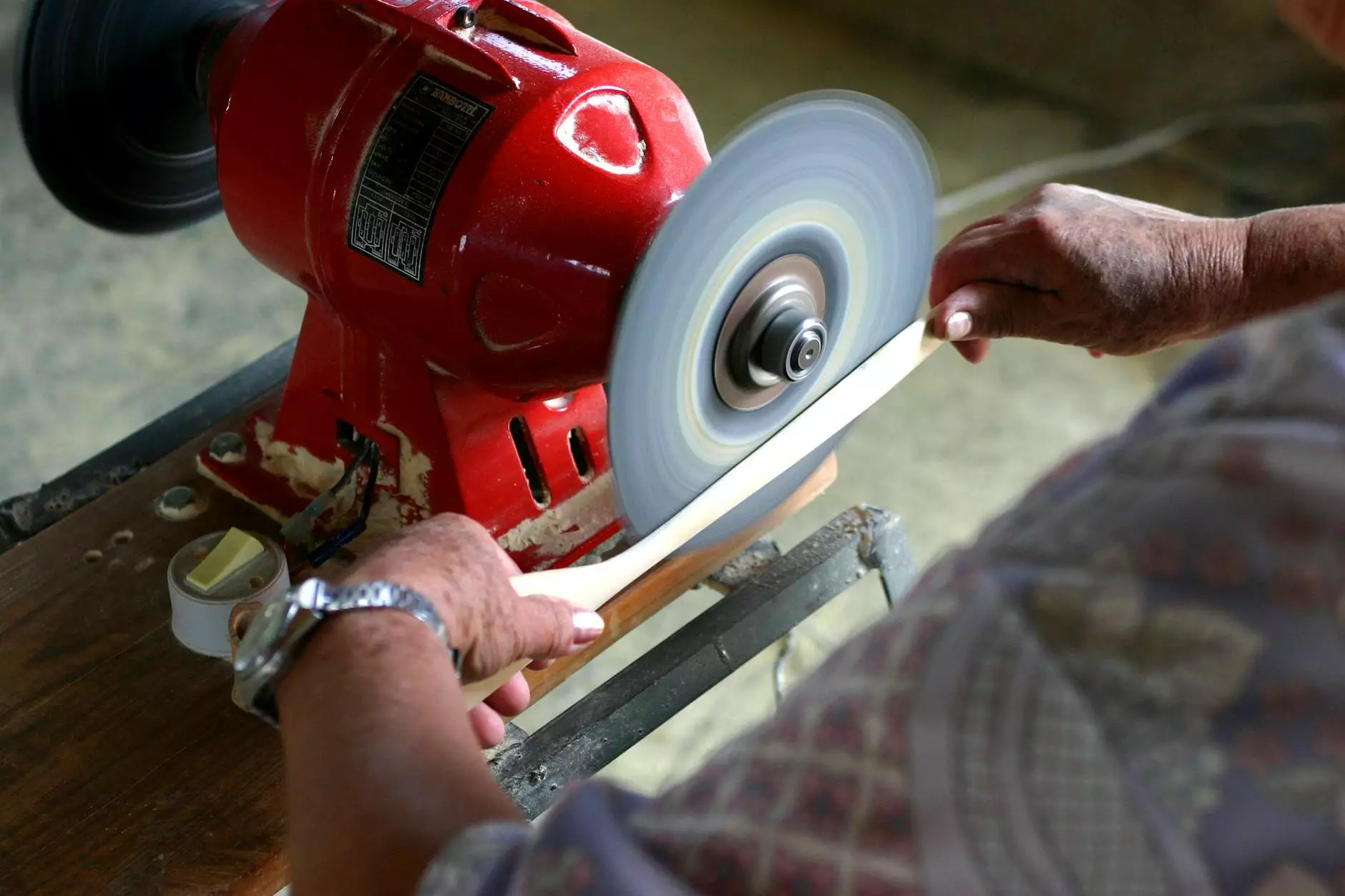
- Professional Sharpening Machines: These machines can sharpen multiple knives quickly with consistent results.
- Honing Rods: While not a sharpening method, honing rods realign the blade’s edge, keeping knives performing optimally between professional sharpenings.
Sharpening the Blade
Once the appropriate technique is chosen, the sharpening begins. Skilled professionals apply the right angle and pressure to achieve a razor-sharp edge. This phase is critical to avoid over-sharpening, which can lead to irreversible damage.
Polishing the Edge
The final step in the sharpening process is polishing the edge. Polishing creates a smooth surface, leading to a better cutting performance. Professionals often use leather strops or finer grit stones for this purpose.
Benefits of Professional Sharpening Services
Engaging a professional knife sharpening service, such as the one found at https://www.szblade.com/, ensures your knives receive the care they deserve. Here are some key benefits:
Expertise and Experience
Professional sharpeners possess the knowledge and experience necessary to restore your knives to their optimal condition. They understand various knife types and the appropriate sharpening techniques to use for each.
Time-Saving
Sharpening knives can be a time-consuming process. By outsourcing this task to professionals, you can save valuable time that can be spent on cooking or running your business.
Cost-Effective Solutions
Regular knife maintenance through professional sharpening can actually save money in the long run. Instead of frequently replacing dull or damaged knives, investing in sharpening services will extend the life of your kitchen tools.
DIY Knife Sharpening Tips for Home Chefs
While professional sharpening is highly recommended, some home chefs may prefer to sharpen their knives themselves. Here are some tips for maintaining your knives at home:
- Invest in Quality Tools: A good-quality whetstone or sharpening rod will make the process easier and more effective.
- Know Your Angle: Most kitchen knives need to be sharpened at a 20-degree angle. Using a guide can help maintain the correct angle.
- Practice Regular Maintenance: Regularly hone your knife between professional sharpenings to keep the edge aligned.
Preparing for a Professional Knife Sharpening Service
Before you hand over your knives to a professional service, there are several steps to take to ensure a smooth process:
- Clean Your Knives: Remove any food residues or stains before submitting them for sharpening.
- Inspect Overall Condition: Check for chips, cracks, or damage that might require special attention during sharpening.
- Research Your Sharpening Service: Verify the credentials and experience of the sharpening service you choose. Look for reviews and testimonials from other customers.
Final Thoughts on Knife Care
In conclusion, understanding the importance of knife care and sharpening is essential for anyone who values cooking. A sharp knife not only makes your culinary tasks easier but also enhances the safety and quality of your food preparation. For the best results, consider utilizing professional services such as those offered at https://www.szblade.com/. With the right tools and techniques, you can significantly improve your culinary experience and enjoy the art of cooking like never before.
Frequently Asked Questions (FAQs)
How often should I sharpen my knives?
The frequency of sharpening depends on usage. Home cooks might sharpen their knives every few months, while professionals may need to do it weekly.
Can all types of knives be sharpened?
Most kitchen knives can be sharpened, but certain specialty knives may require specific techniques or tools. Always consult with a professional if in doubt.
Is it worth investing in professional knife sharpening?
Absolutely! Professional sharpening extends the life of your knives and ensures that they perform at their best, ultimately enhancing your cooking experience.
What is the difference between sharpening and honing?
Sharpening removes material from the blade to create a new edge, while honing aligns the existing edge without removing significant material.