Understanding the Capsular Pattern of Shoulder: A Comprehensive Guide for Health & Medical Professionals
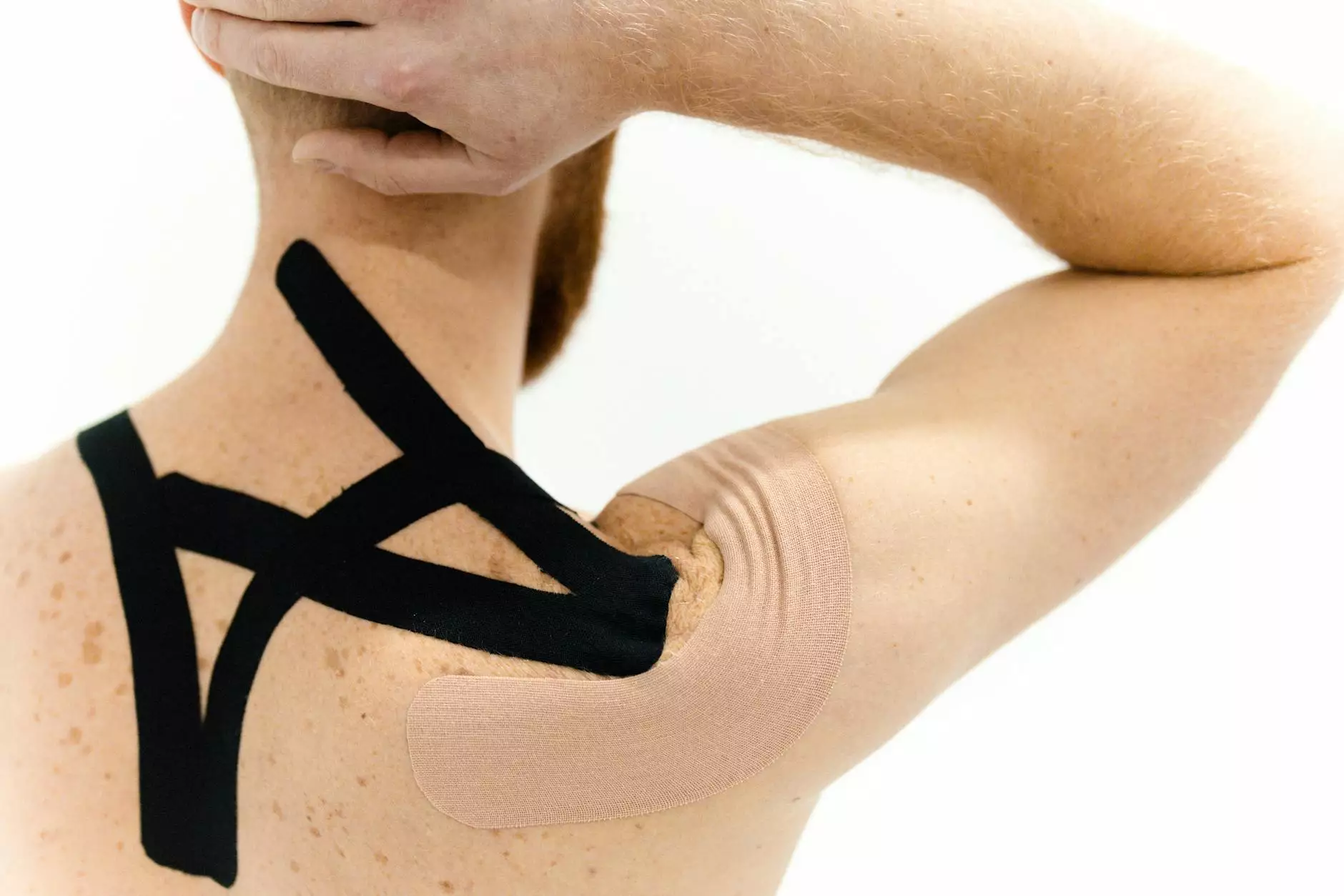
The capsular pattern of shoulder is a fundamental concept in clinical orthopedics, physical therapy, and chiropractic practice. Understanding the intricacies of this pattern is essential for accurate diagnosis, effective treatment planning, and improved patient outcomes. This detailed guide provides a deep dive into the anatomic, pathophysiologic, and clinical aspects of the capsular pattern of shoulder.
What Is the Capsular Pattern of Shoulder?
The capsular pattern of shoulder refers to the characteristic limitation in passive range of motion that occurs when the shoulder joint's capsule becomes involved in pathology. It indicates a specific restriction pattern that is consistent across various shoulder conditions, helping clinicians differentiate between types of shoulder disorders.
In essence, the capsular pattern of shoulder is a predictable pattern of restriction which typically involves a progressive loss of movement in certain directions depending on the underlying pathology affecting the glenohumeral joint capsule.
Normal Anatomy of the Shoulder Capsule
The shoulder joint, also known as the glenohumeral joint, is a highly mobile ball-and-socket joint that relies heavily on soft tissue structures for stability. The joint capsule is a fibrous tissue envelope that surrounds the joint and contains synovial fluid.
- Glenohumeral Joint Capsule: Thin, but distensible, allowing wide range of motion
- Ligaments: Glenohumeral ligaments, coracohumeral ligament, and others provide stability
- Synovial Membrane: Produces synovial fluid vital for joint lubrication
- Surrounding Muscles: Rotator cuff muscles, deltoid, and other stabilizers support joint movement and stability
Pathophysiology Behind the Capsular Pattern of Shoulder
When the shoulder capsule undergoes pathological changes such as inflammation, fibrosis, or contracture, it results in the characteristic restriction of movement known as the capsular pattern of shoulder. This restriction is usually symmetrical and predictable in certain conditions, given the uniform involvement of the joint capsule.
Common causes include adhesive capsulitis (frozen shoulder), inflammatory arthritis, post-traumatic stiffness, or degenerative changes.
The Classic Capsular Pattern of Shoulder: An In-Depth Look
The most recognized and studied capsular pattern of shoulder is associated with adhesive capsulitis. It presents with a specific pattern of restriction:
- Limitations in: External rotation (most restricted)
- Followed by: Abduction
- Least affected: Internal rotation
This pattern reflects the distribution of fibrosis and contracture within the joint capsule. It helps healthcare professionals distinguish adhesive capsulitis from other shoulder pathologies such as rotator cuff tears, impingement syndrome, or osteoarthritis, which do not typically follow this specific restriction pattern.
Clinical Significance of Recognizing the Capsular Pattern of Shoulder
Recognizing the capsular pattern of shoulder is critical for:
- Accurate Diagnosis: Differentiating between capsular restrictions and other causes of shoulder pain and stiffness
- Effective Treatment Planning: Implementing targeted physiotherapy, joint mobilizations, or medical interventions
- Monitoring Progress: Tracking improvement or deterioration based on changes in range of motion patterns
Accurate assessment of the pattern provides clues to the underlying pathology, aids in prognosis, and influences treatment approaches, whether conservative or surgical.
Assessment Techniques for the Capsular Pattern of Shoulder
Proper evaluation involves systematic clinical examination, including:
- Passive Range of Motion Testing: Measuring movement restrictions in various directions
- Comparative Analysis: Comparing affected and unaffected shoulders
- Palpation and Inspection: Identifying joint swelling, tenderness, or deformity
- Special Tests: Such as the Apley scratch test, Neer test, Hawkin's test, to determine specific pathology
In particular, assessing the restrictions in external rotation, abduction, and internal rotation helps confirm the presence of a capsular pattern.
Treatment Strategies for Restoring Shoulder Function in Disorders Showing a Capsular Pattern
Therapeutic interventions aim to restore joint mobility, reduce pain, and improve function:
- Physical Therapy: Joint mobilizations, stretching exercises, and strengthening programs tailored to limit patterns
- Medications: Anti-inflammatory drugs, analgesics, or corticosteroid injections to reduce inflammation
- Manual Therapy Techniques: Specifically directed joint mobilizations to break up adhesions and improve capsule elasticity
- Advanced Interventions: Arthroscopic capsular release in refractory cases
It is important to personalize treatment plans, considering the stage of the pathological process, patient activity levels, and overall health status.
The Role of Chiropractors and Healthcare Professionals in Managing the Capsular Pattern of Shoulder
Chiropractors, physiotherapists, and orthopedic specialists play a pivotal role in diagnosing and managing problems associated with the capsular pattern of shoulder. Their comprehensive assessment and intervention strategies focus on:
- Restoring Mobility: Using mobilization and manipulation techniques to improve joint range of motion
- Patient Education: Advising on proper posture, activity modifications, and home exercises to maintain joint health
- Collaborative Care: Working with clinicians to address underlying causes such as inflammation or mechanical impingements
Ongoing research emphasizes the importance of early intervention and tailored therapy programs for optimal recovery, underscoring the significance of understanding the capsular pattern of shoulder.
Recent Advances and Emerging Trends in Understanding Shoulder Capsular Patterns
Emerging research incorporates advanced imaging modalities like MRI and ultrasound to analyze capsular tissue changes more precisely. Biomechanical modeling and regenerative medicine techniques such as platelet-rich plasma (PRP) injections are also expanding treatment horizons.
Furthermore, evidence-based physiotherapy protocols now prioritize early motion exercises post-injury or surgery, aiming to prevent the development of a restrictive capsular pattern.
Summary: The Importance of Recognizing the Capsular Pattern of Shoulder
Understanding the capsular pattern of shoulder is essential for healthcare practitioners involved in musculoskeletal care. It provides a window into the joint’s pathological processes and guides effective treatment strategies. Recognizing these patterns leads to improved diagnostic accuracy, targeted therapies, and better patient outcomes.
At iaom-us.com, we emphasize advanced education and professional training for chiropractors and health professionals, ensuring they stay ahead in diagnosing and managing shoulder conditions influenced by capsular patterns. Whether through clinical assessment, evidence-based therapy, or innovative research, mastering the capsular pattern of shoulder remains a cornerstone of effective musculoskeletal healthcare.
In Conclusion
The capsular pattern of shoulder is more than just a clinical observation—it's a vital diagnostic tool that reflects underlying joint pathology. Recognizing its characteristic pattern allows practitioners to differentiate between various shoulder disorders and implement targeted treatment strategies. With continued advancements in medical research and education, health professionals are better equipped than ever to restore shoulder mobility, alleviate pain, and enhance quality of life for their patients.