Comprehensive Guide to MRI Servicing: Ensuring Excellence in Medical Imaging
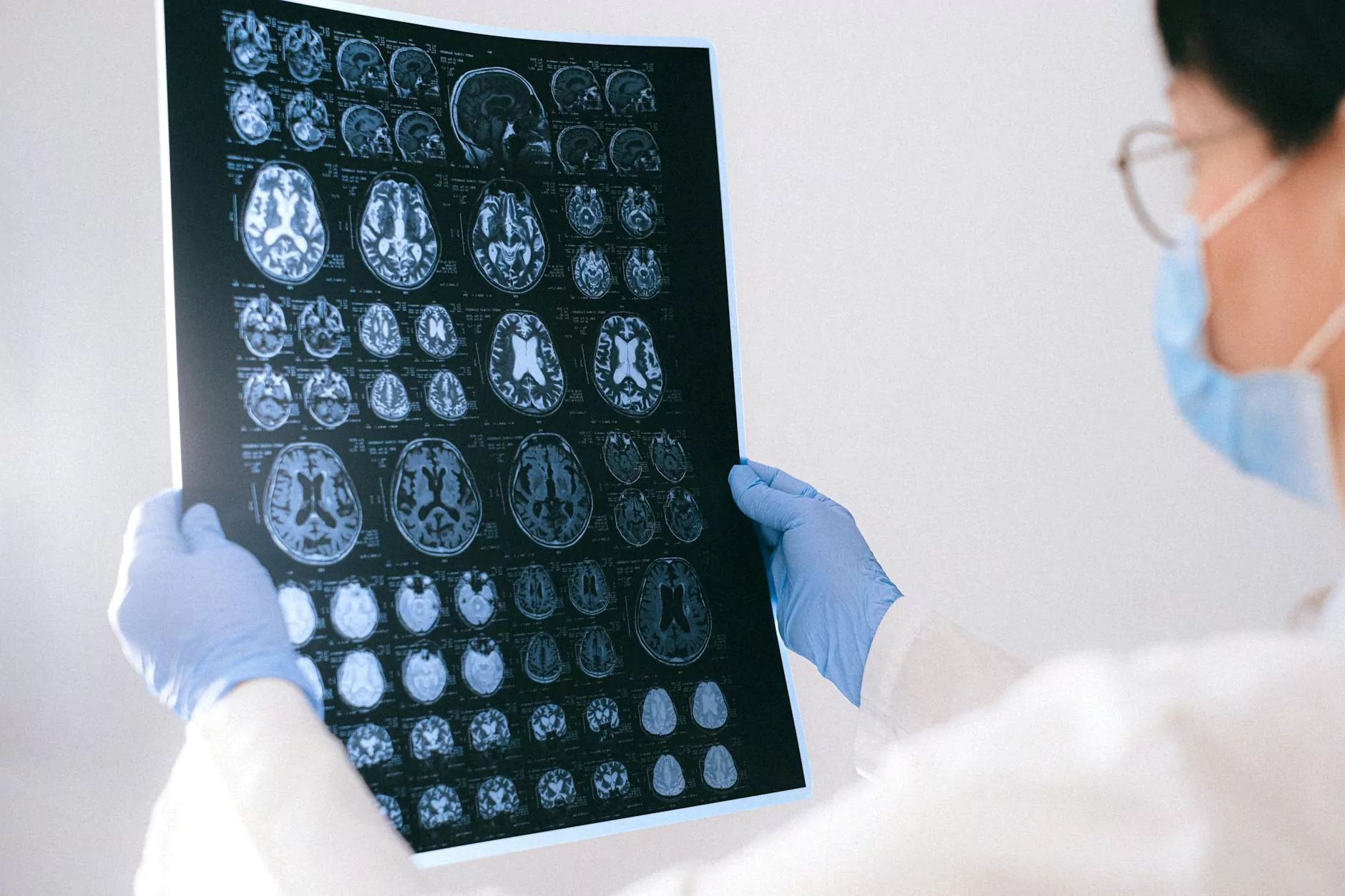
In the rapidly evolving landscape of healthcare, Magnetic Resonance Imaging (MRI) remains one of the most crucial diagnostic tools used by medical centers worldwide. As the demand for accurate, reliable, and high-quality imaging increases, the importance of MRI servicing becomes more evident than ever. Maintaining optimal MRI system performance not only enhances diagnostic precision but also ensures patient safety and operational efficiency. This comprehensive guide delves into the critical aspects of MRI servicing, its benefits, best practices, and how healthcare providers can maximize their investment in medical imaging technology.
Understanding the Significance of MRI Servicing in Modern Healthcare
Magnetic Resonance Imaging systems are complex, sensitive instruments that require meticulous care and regular maintenance to operate at peak performance levels. MRI servicing involves a combination of preventative maintenance, troubleshooting, repair, and calibration. Proper service guarantees that MRI systems deliver consistent, high-resolution images essential for accurate diagnoses.
In medical centers and diagnostic facilities, the reliability of MRI systems directly correlates with patient outcomes. Downtime due to equipment malfunction can delay diagnoses, compromise patient safety, and increase operational costs. As such, professional MRI servicing is an indispensable element in maintaining high standards of care and operational excellence.
Core Components of Professional MRI Servicing
1. Preventative Maintenance
Scheduled preventative maintenance is the backbone of effective MRI system management. This process involves routine inspections, cleaning, software updates, and calibration to prevent unexpected breakdowns and extend equipment lifespan.
2. Troubleshooting and Diagnostics
When issues arise, advanced diagnostic procedures pinpoint problems swiftly. Skilled technicians use state-of-the-art tools to identify hardware failures, software glitches, or electromagnetic interference that could impair image quality.
3. Repair and Component Replacement
Timely repairs and replacements of faulty parts, like gradient coils, RF amplifiers, or cryogenic systems, are vital for restoring system integrity and performance. Using genuine parts and adhering to manufacturer specifications ensures durability and safety.
4. System Calibration and Software Updates
Regular calibration maintains the accuracy of magnetic field strength and image homogeneity. Software updates enhance system capabilities, fix bugs, and incorporate technological advancements, keeping MRI systems state-of-the-art.
Benefits of Expert MRI Servicing for Healthcare Facilities
- Enhanced Diagnostic Accuracy: High-quality, consistent imaging results lead to better diagnosis and treatment planning.
- Increased System Uptime: Routine maintenance minimizes unexpected outages, ensuring continuous patient access.
- Patient Safety: Proper calibration and maintenance reduce risks associated with equipment failure or electromagnetic exposure.
- Cost Savings: Preventative care reduces costly repairs, replacements, and downtime in the long term.
- Compliance and Accreditation: Regular servicing helps meet stringent regulatory standards and accreditation requirements for medical imaging facilities.
Choosing the Right MRI Servicing Partner: What to Look For
Partnering with a reputable MRI servicing provider is crucial for maintaining optimal imaging systems. Key factors include:
- Technical Expertise: Certified technicians with extensive experience in MRI technology and equipment brands.
- Comprehensive Service Offerings: From preventive maintenance, troubleshooting, to emergency repairs and software upgrades.
- Rapid Response Times: 24/7 support and quick turnaround on repairs minimize operational disruptions.
- Use of Genuine Parts and Advanced Tools: Ensures durability, safety, and compliance with manufacturer standards.
- Proven Track Record: Positive client testimonials and industry recognition validate their reliability and expertise.
The Role of Innovation and Technology in MRI Servicing
As technology advances, so do the methods and tools used in MRI servicing. Leading service providers leverage innovations such as:
- Remote Diagnostics: Using telemedicine tools to troubleshoot problems instantly, reducing downtime and travel costs.
- Artificial Intelligence (AI): AI-driven analytics help predict potential failures and optimize maintenance schedules.
- Laser and Ultrasound Inspection: Non-invasive methods for detecting hidden issues within critical components.
- Data Analytics and Trending: Monitoring system performance over time to identify patterns and preempt faults before they occur.
Ensuring Longevity of MRI Equipment Through Effective Servicing
Proper MRI servicing significantly extends the lifespan of expensive imaging devices. Regular maintenance schedules prevent wear and tear, reduce electromagnetic interference, and optimize system efficiency. Ultimately, meticulous care can ensure that an MRI system remains clinically reliable and financially sustainable for many years.
The Impact of High-Quality MRI Servicing on Patient Care
At the heart of healthcare is patient wellbeing. Well-maintained MRI systems contribute directly to improved patient experiences by delivering:
- Faster Diagnostics: Reliable system performance accelerates diagnostic workflows.
- Comfort and Safety: Properly functioning hardware ensures safety protocols are followed, and imaging sessions are comfortable for patients.
- Accurate Results: Precise imaging reduces the need for repeat scans, minimizing patient exposure and anxiety.
Industry Standards and Certifications for MRI Servicing
Adhering to industry standards such as those set by the American College of Radiology (ACR) and International Electrotechnical Commission (IEC) is critical. Certified service providers demonstrate compliance with these rigorous standards, ensuring your MRI systems meet all safety and performance guidelines.
Integrating MRI Servicing Into Your Facility’s Maintenance Program
Healthcare providers should develop a proactive maintenance plan that integrates MRI servicing into daily operational procedures. Best practices include:
- Establishing routine check intervals based on manufacturer recommendations.
- Maintaining detailed records of all service activities and system performance metrics.
- Training staff on basic troubleshooting and system care.
- Engaging with trusted service partners for specialized maintenance and repairs.
- Periodic review and updating of maintenance protocols to incorporate technological advancements.
The Future of MRI Servicing: Embracing Innovation for Superior Healthcare
The future of MRI servicing lies in integrating AI, machine learning, and automation to create predictive maintenance models. This approach allows healthcare facilities to anticipate failures before they occur, reducing downtime and improving diagnostic reliability. Additionally, remote service capabilities will continue to evolve, enabling faster support across geographical boundaries.
Conclusion: Investing in Excellence Through Professional MRI Servicing
In conclusion, MRI servicing is a vital investment for any healthcare facility aiming to provide top-tier diagnostic services. By adopting proactive maintenance strategies, leveraging technological innovations, and partnering with experienced service providers, medical centers can ensure their MRI systems operate at peak performance, deliver accurate diagnostics, and maintain the highest standards of patient safety. As technological advances continue to shape the healthcare industry, staying ahead with comprehensive MRI servicing will be the differentiator that elevates your facility’s reputation and reliability in medical imaging.
For healthcare providers seeking outstanding MRI servicing, echomagnetservices.com offers industry-leading expertise, tailored solutions, and unwavering commitment to quality. Trust in expert service to keep your MRI systems operating flawlessly and your patients receiving the best possible care.